Seven Wonders of India
Without a doubt the sub continent of India showcases life in different hues with royal history, diverse cultures, rich heritage, and so on. The magic attracts the tourists from around the country and the world to find the best wonders in the world. From the 20 top wonders in India here are the most popular 7 wonders of India voted to top the charts through SMS by ToI.
There are also several famous tourist destinations to visit in India near these sites. You can make a memorable trip to any of the Seven Wonders of India on your next trip to the closest destinations.
List of Seven Wonders of India That You Should Visit
1. Gomateshwara Statue
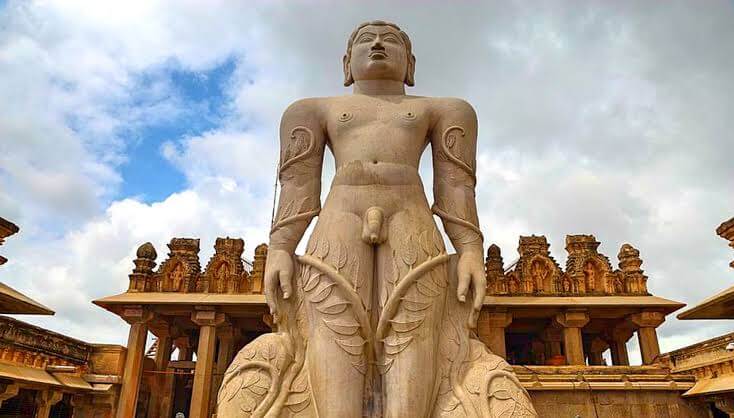 This massive statue that measures 57 feet in height is carved from a single rock stone. This is situated at Shravanabelagola, Karnataka dating back to 983 AD dedicated to Bahubali, the Jain God. Close to 1/2 of total number of votes went for this massive statue which is the tallest free – standing statues in the world.
This tops the list for 7 wonders in India and is located in Hassan in Karnataka state that houses a UNESCO World Heritage Site temple city of ruins called Hampi.
Famous for – Mahamastakabhisheka Festival that was held last year in 2018. Next will be in 2024. Eight types of sandalwood pastes are used to wash the top of the statue with milk and honey.
Best Time To Visit Gomateshwara Statue– October to March
How To Reach Gomateshwara Statue
By Air: The closest airport called Mysore Airport is situated at a distance of 95 km from here. International Airport is Bangalore International Airport connecting flights to major world cities.
By Rail: Shravanabelagola stop is connected to major cities such as Bangalore, Mangalore, Mysore, Pune, and Coimbatore.
By Road: A drive via NH 75 from Bangalore and at a distance of 145 km.
Famous Tourist Attractions in Gomateshwara Statue
- Mini Gomateshwara Statue
- Chamundaraya Basadi
- Parshwanatha Basadi
- Bhandara Basadi
- Odegal Basadi
- Aregal Basadi
- Kattale Basadi
- Halebelagola
- Kambadahalli
2. Hampi Group of Monuments
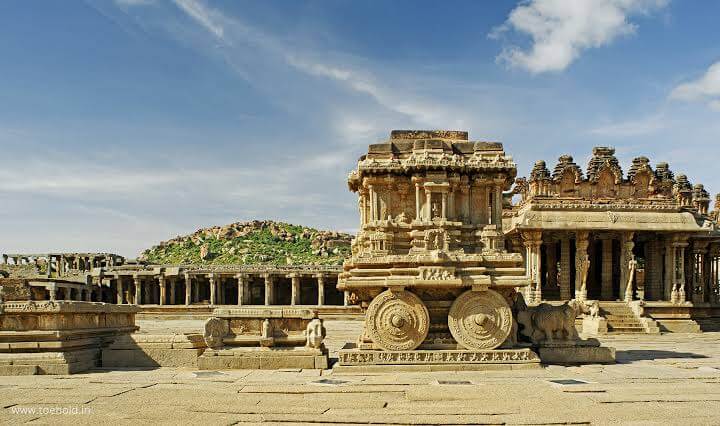 This massive temple town is known as a famous tourist destination in South India. As mentioned earlier these ruins are recognized as UNESCO World Heritage Site. Some of the structures date back to early 13th century and being to the great Vijayanagara Empire. There are other names that this temple town in Karnataka goes by – Bhaskara Kshetra, Pampa Kshetra, and Kishkinda Kshetra. It is a massive spread of structures and ruins across large landscape and villages. Walk through the village houses around and search for 100+ structures around the area.
Famous for – Purandara Festival celebrated annually during January – February to commemorate the birthday celebrations of Purander, a famous poet and composer of medieval times.
Best Time To Visit Hampi – October to March
How To Reach Hampi
By Air: The closest domestic airport is Bellary Airport is situated at a distance of 60 km from here. The Bangalore International Airport connects internationally to major world cities located at distance of 350 km.
By Rail: Nearest Railway Station is Hospet located at a distance of 13 kilometers.
By Road: Connects to surrounding cities through inter-city buses. Main Bus Station: Hampi Bazaar
Famous Tourist Attractions in Hampi
- Virupaksha Temple dates back to 15th century
- Monolithic Sculpture of Lord Narasimha
- Best view of Temple town at Hemakuta Hill
- 16th century World Heritage Vittal temple
- Lotus Mahal within the Zenana Enclosure
- Elephant quarter or the Queen's Bath
- Kamalapuram Archaeological Museum
- Underground Virupaksha temples
- Anegondi across Tungabhadra River
3. Golden Temple of Amritsar
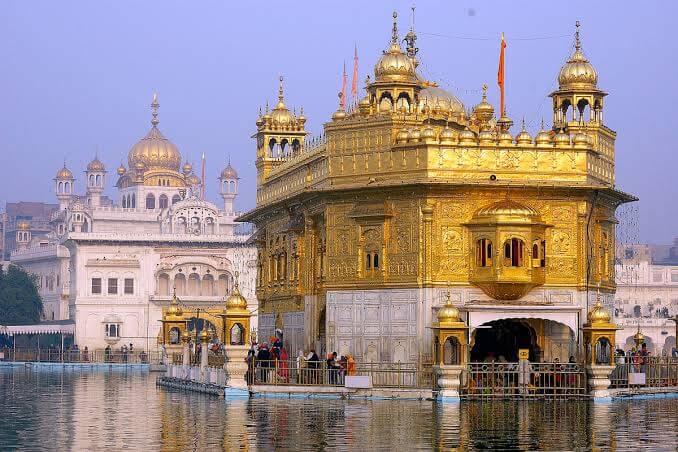 This famous Sri Harmandir Sahib is visited by pilgrims from around the world. Situated in the Punjab state in Amritsar city, the famous golden temple hosts the “Throne of the Timeless One”. It is open to visitors of all religions and volunteers at the temple. It is famous for the golden domes and gold covering in the upper floors. It is built on a man-made water body and is excellent when illumined. There are nearly 1 lakh visitors on a daily basis.
Famous for – Guru ka Langar feeds 35000 guests free by volunteers, Central Sikh Museum at the entrance displays images and memoirs, and Palki Sahib, Holy Book veneration ceremony every night.
Best Time To Visit Golden Temple – Throughout the Year
How To Reach Golden Temple
By Air: The closest airport Raja Sansi International Airport, Amritsar situated at a distance of 11 km.
By Rail: Nearest Railway Station is Amritsar Junction Railway Station located at a distance of 2 km.
By Road: Connects to cities like Shimla, Delhi and Other cities in Punjab through inter-city buses.
Famous Tourist Attractions in Golden Temple
- Durgiana Temple Dedicated to Hindu Gods and Goddesses
- Witness the Change of Guard Ceremony at Wagah Border
- Pay Homage at Stone Memorial Jallianwala Bagh
- Pilgrimage to the Tarn Taran temple on New Moon
- Temple, Mosque, and Gurdwara in Pul Kanjari / Pul Moran
- Hari Ke Pattan or Harike Wetlands – Largest in North India
- Faridkot Fort
- Bathinda Fort
- ISCKON Temple
- Gurudwara Goindwal Sahib
- Maharaj Ranjit Singh Museum
- Jama Masjid Khairuddin In Hall Bazaar
- Birthplace Of Luv & Kush – Ram Tirath
4. The Taj Mahal at Agra
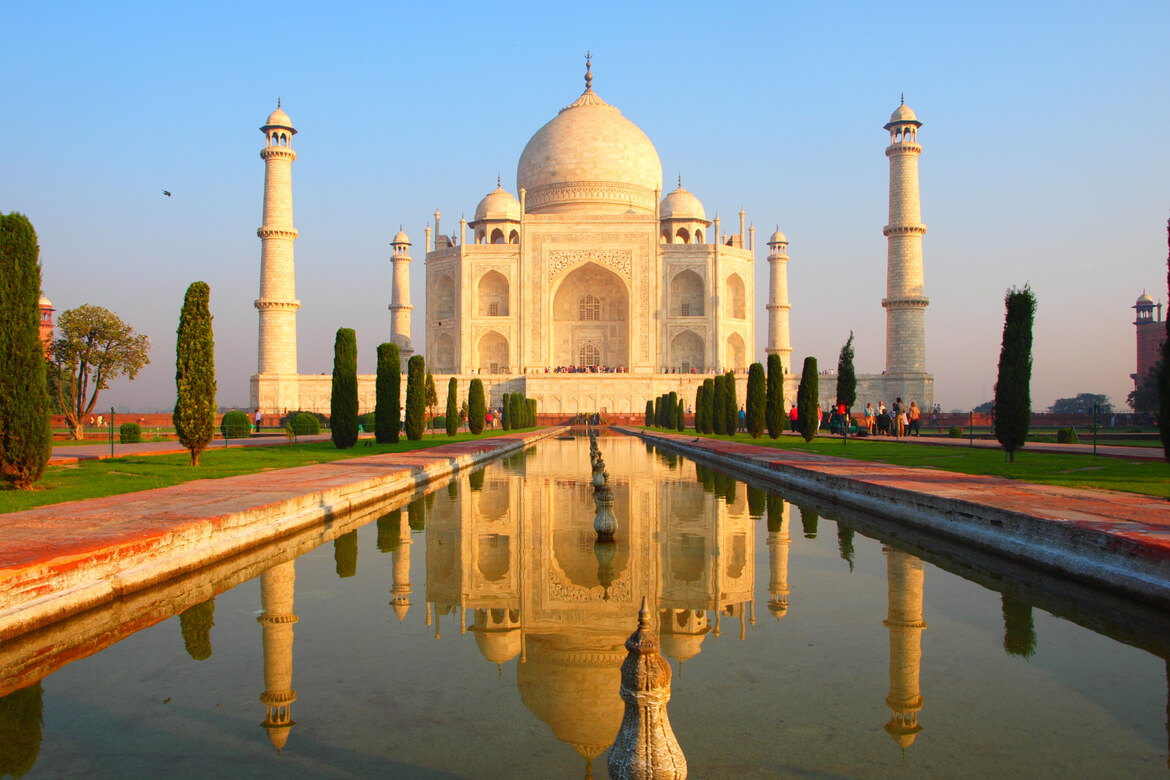 This ivory white marble structure that symbolizes love of the Emperor Shah Jehan to his beloved third wife – Mumtaz Mahal is one of the biggest monument mausoleum constructed in sixteenth century. It took over two decades and 20,000 talented artisans and lot of money to complete this massive structure including marble stone and other precious stones, gardens, etc. The Taj Mahal changes colors during the day as the sun light changes from morning to evening. There are also a lot of workshops, melas, and a museum in the complex. The Taj Mahal is also one of the Seven Wonders of the World.
Famous for – The Taj Mahal is special for several views that makes it so famous. Sunrise View, Boat Ride During Sunset View, Full Moon View, Changing Hues With Light Variations, Slanted Minarets, etc.
Best Time To Visit Taj Mahal– October to March
How To Reach Taj Mahal
By Air: The closest airport is Kheria Airport is situated at a distance of 5 km with limited commercial flights. The Indira Gandhi International Airport, Delhi connects internationally to major world cities.
By Rail: Nearest is Agra Cantonment Railway Station located at a distance of 5 kilometers.
By Road: Inter-city buses connects Agra to surrounding cities like Delhi, Jaipur, Lucknow, Kanpur, and others.
Famous Tourist Attractions in Taj Mahal
- Mehtab Gardens
- Agra Fort – UNESCO World Heritage Site
- Tomb Of Itmad-Ud-Daulah (Baby Taj)
- Tomb of Emperor Akbar
- Taj Heritage / Nature Walk
- Shopping at Marketplaces in Agra
- Taj Mahotsav Mela at Shilpagram
5. Konark Sun Temple of Orissa
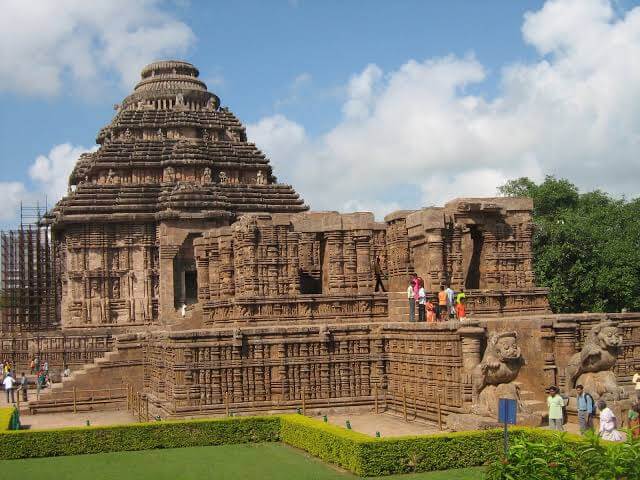 This Kalinga style ancient temple dating back to the thirteenth century is famous all over India for several reasons. This Sun Temple is situated at Konark coastal region of Odisha. There is sculptures on the walls and stunning artistry found in the stone marvel constructed by King Narasimhadeva – I from Ganga Dynasty. There is also a massive structure of three depictions of Sun God statues and seven horses pulling 12 wheels. Konark literally translates to Sun and so it is called Sun Temple locally.
Famous for – The Wheel in the Chariot is also used as a Sundial that astronomically predicts and calculates the time in the day as the sun’s rays touch on the statue at morning, noon or evening.
Best Time To Visit Konark Sun Temple – November to February
How To Reach Konark Sun Temple
By Air: The closest airport is Bhubaneshwar Airport is situated at a distance of 64 km from here. The Biju Patnaik International Airport connects internationally to major world cities.
By Rail: Nearest Railway Station is Puri Junction located at a distance of 31 kilometers.
By Road: Connects to surrounding areas through Odisha State Public Transport to cities like Bhubaneshwar, Puri and others.
Famous Tourist Attractions in Konark Sun Temple
- Konark Archeological Museum for manuscripts
- Ramachandi Temple on Banks Of River Kusabhadra
- Archelogical Excavation Buddhist Site called Kuruma
- Photography, Picnicking, and Fishing at Astranga
6. Nalanda University of Bihar
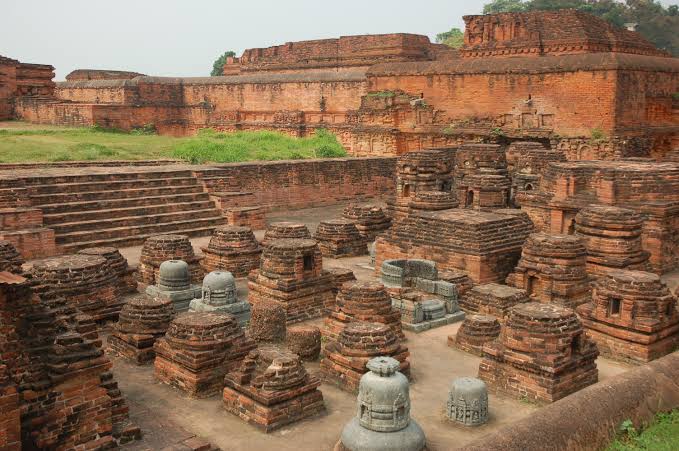 This Buddhist monastery and learning center for spiritual studies dates back to the seventh century. The ancient Mahavihara was the famed learning center during the time of 7th century AD to 12th century AD and is known as one of the earliest education centers or universities in the world. During that time, visitors and scholars from around the world came here for very organized teaching method of vedic study.
Scholars came from Central Asia, Persia, Tibet, and even china to learn here. before being totally destroyed the learning center came through Emperor Kannauj, Harshavardhan’s Rule and before that, the Gupta Empire. History enthusiasts and photographers visit this place after re-making by Govt. of India. It is situated less than 100 kilometers from the capital city of Bihar state – Patna.
Famous for – Many of the ruins found here are UNESCO World Heritage Sites.
Best Time To Visit Nalanda University – October to March
How To Reach Nalanda University
By Air: The closest airport is Lok Nayak Jayaprakash International Airport is situated at a distance of 97 km from capital city of Bihar state – Patna. Other International Airport is Gaya Airport also known as International Airport of BBodhgaya.
By Rail: Nearest Railway Station is Rajgir Station located at a distance of 12 kilometers. Other Railway Stations: Nalanda Railway Station connects to major metro cities in India. Gaya Railway Station islocated at a distance of 95 kilometers.
By Road: Buses connects to surrounding cities such as Patna, Rajgir, Gaya, Bihar Sharif, etc.
Famous Tourist Attractions in Nalanda University
- Surya Mandir
- The Great Stupa
- Pavarika Mango Grove
- Hiuen Tsang Memorial Hall
- Nalanda Archaeological Museum
7. Khajuraho Group of Monuments
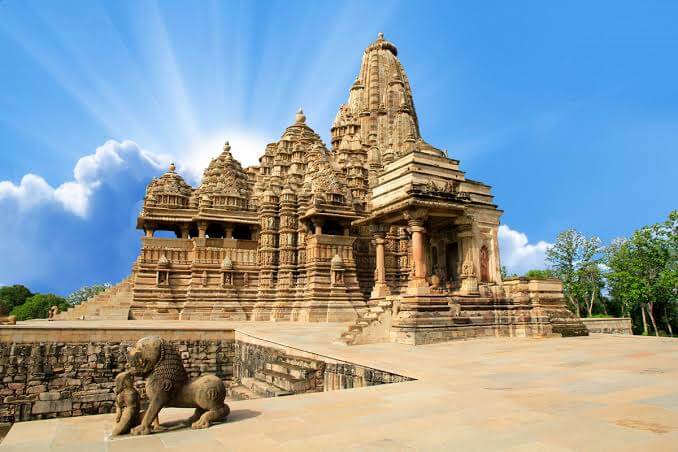 This collection of several monuments including Hindu and Jain Temples is recognized as UNESCO World Heritage Site. These monuments were constructed between 950 - 1050 CE in Nagara architectural style during the Chandeyla Dynasty. However, by records during twelvth century there were 85 structures from which only 20 structures are still preserved. These group of monuments famous all over the world for the erotic sculptures is situated in Chattarpur district of state of Madhya Pradesh.
Famous for – The Indian Classical music and visuals regarding the Chandela Dynasty displayed in the Sound and Lights Show set in the backdrop of Kajuraho temples amidst floodlights in various colors.
Best Time To Visit Khajuraho – October to February
How To Reach Khajuraho
By Air: The closest airport Choudary Charan Singh Airport for domestic flights to major cities.
By Rail: Nearest Railway Station is Kajuraho Junction Railway Station located at a distance of 5 km.
Famous Tourist Attractions in Khajuraho
- Beni Sagar Damm for Boating, Swimming and Picnicking
- Attend Kajuraho Dance Festival by MP Kala Parishad
- Witness Wildlife at the Ken Ghariyan Sanctuary, MP
- See Adivrat Tribal And Folk Art Museum
- See Kajuraho Archeological Museum
- Visit Tiger Reserve in Panna National Park
- See Grand Canyon of India – Raneh Falls